The scene has a history.
Sun, airflow, stored energy and operation influence the surface. The image records a moment in that process.
 FLY MAXWELLAERIAL IMAGERY + THERMOGRAPHY
THE FLY MAXWELL THERMAL LEARNING ROOM
Thermography brings invisible infrared energy into view. Learn how heat moves, why surfaces behave differently and how a careful observation becomes a useful next step.
Free to explore. No signup. Original writing with technical sources.
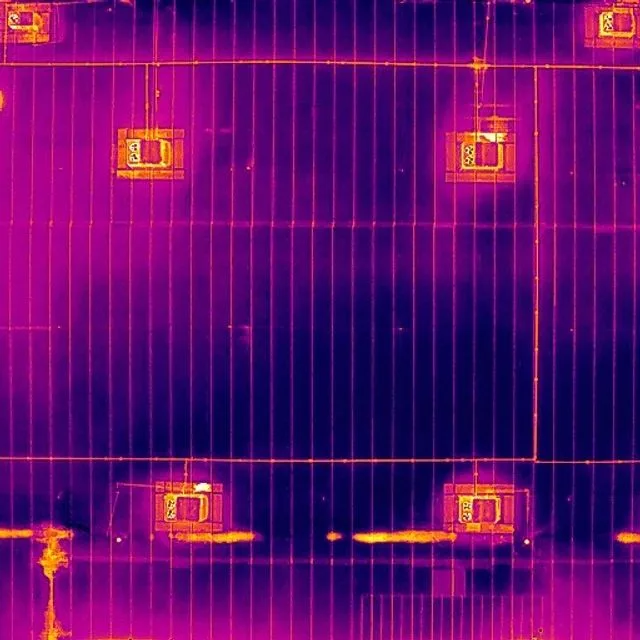
Sun, airflow, stored energy and operation influence the surface. The image records a moment in that process.
Emission, reflections, distance and image quality shape what the camera can tell us.
A clear location, visible view and suitable confirmation make the record actionable.
FOUR CONNECTED LESSONS
Read in order or choose the question that brought you here. Each guide includes practical examples and its source references.
Learn how conduction, convection, radiation, heat storage and evaporation shape the patterns in drone thermal imagery.
Understand emissivity, reflected apparent temperature, target size, focus, sensitivity, accuracy and the difference between a display scale and a measurement range.
Why roof, building, solar and search assignments need different timing, weather, operating context and follow-up plans.
Read thermal observations with location, visible context, conditions, measurement assumptions and a clear follow-up, including an original example record.
EXPLORE / THE COLOR-SCALE LAB
These five invented zones keep the same temperatures. Change the display span and watch the contrast change. The values stay put.
The five zones occupy a small part of a wide display scale, so their colors look similar.
The same five values now fill the display scale, so the contrast looks much stronger. No temperature changed.
Original teaching graphic, not a camera simulation, calibration tool or a property finding. The simplified palette illustrates relative display contrast. A tighter scale does not improve measurement accuracy.
Display scale and measurement range: FLIR measurement guidance ↗. Read the full explanation ↗.
ONE SENSOR / DIFFERENT QUESTIONS
Open a scenario to see why the goal, conditions and follow-up belong together.
The question: Which areas warrant closer investigation?
The plan: Review the assembly, recent weather, heating history, materials and visible context. Choose a capture window suited to the investigation.
The follow-up: A qualified building or roofing reviewer confirms the condition using an appropriate method.
The question: Where are there patterns that the asset team should examine?
The plan: Document operation, relevant sunlight or load, viewing conditions and a traceable asset location.
The follow-up: Qualified personnel assess the cause and decide whether electrical or other testing is needed.
The question: Can aerial thermal observation assist a defined search?
The plan: Review contrast, canopy, terrain, permissions and coordination. A candidate detection still needs confirmation.
The follow-up: Share location, time, imagery and visibility limits with the coordinator. For immediate danger or a missing person, contact the responsible authority first.
CONNECT THE LESSON WITH THE WORK
Explore our real visible and thermal imagery, then use the checklist to bring the right details into the project conversation.
Level I sUAS training builds a foundation in camera operation, thermal science, infrared behavior, image interpretation, application planning and safety. It helps turn a compelling image into a more thoughtful collection and review process.
Our work begins with that foundation and a defined project scope. Each assignment identifies the intended use and any specialist confirmation needed, including qualified roofing, engineering or electrical review where appropriate.
Explore the official ITC training program ↗Meet Bradley and Fly Maxwell ↗
COMMON QUESTIONS / CLEAR ANSWERS
Ordinary building thermography observes accessible surfaces. A concealed condition may influence a surface pattern, but the camera is not an X-ray. Read our thermal interpretation guide and the linked manufacturer explanation.
No. Materials, reflections, weather, operation and display settings can influence the appearance. A useful report keeps the observation separate from its possible explanation and confirmed cause. See how to read the record.
No. The collection window follows the application and the mechanism being examined. A roof cooling study and an operating solar inspection need different planning. Read the conditions guide.
These are introductory Fly Maxwell resources. Certification requires the issuing organization’s training and assessment requirements. Follow the official ITC program for its current course details.