The roof. The details. The context.
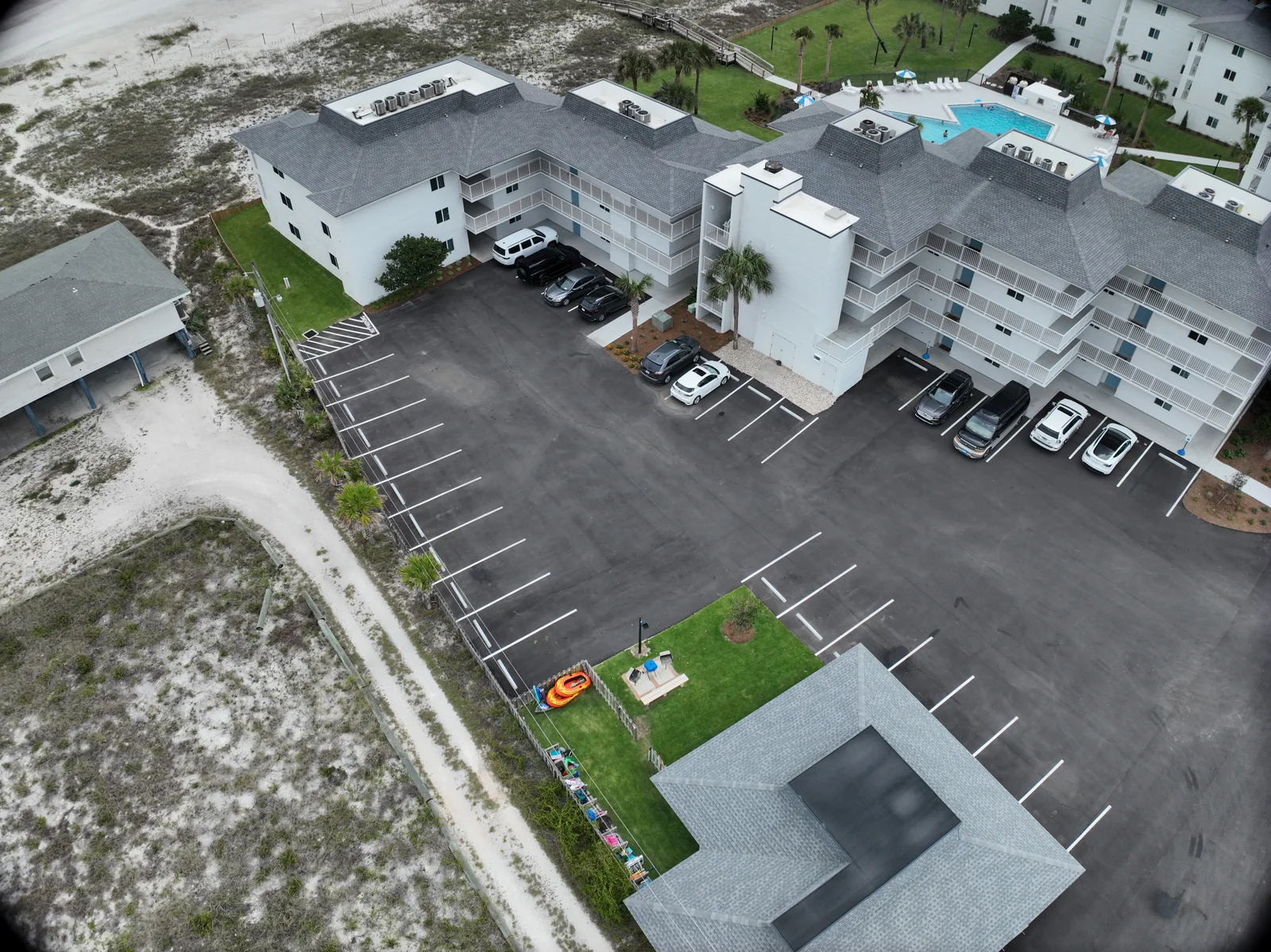
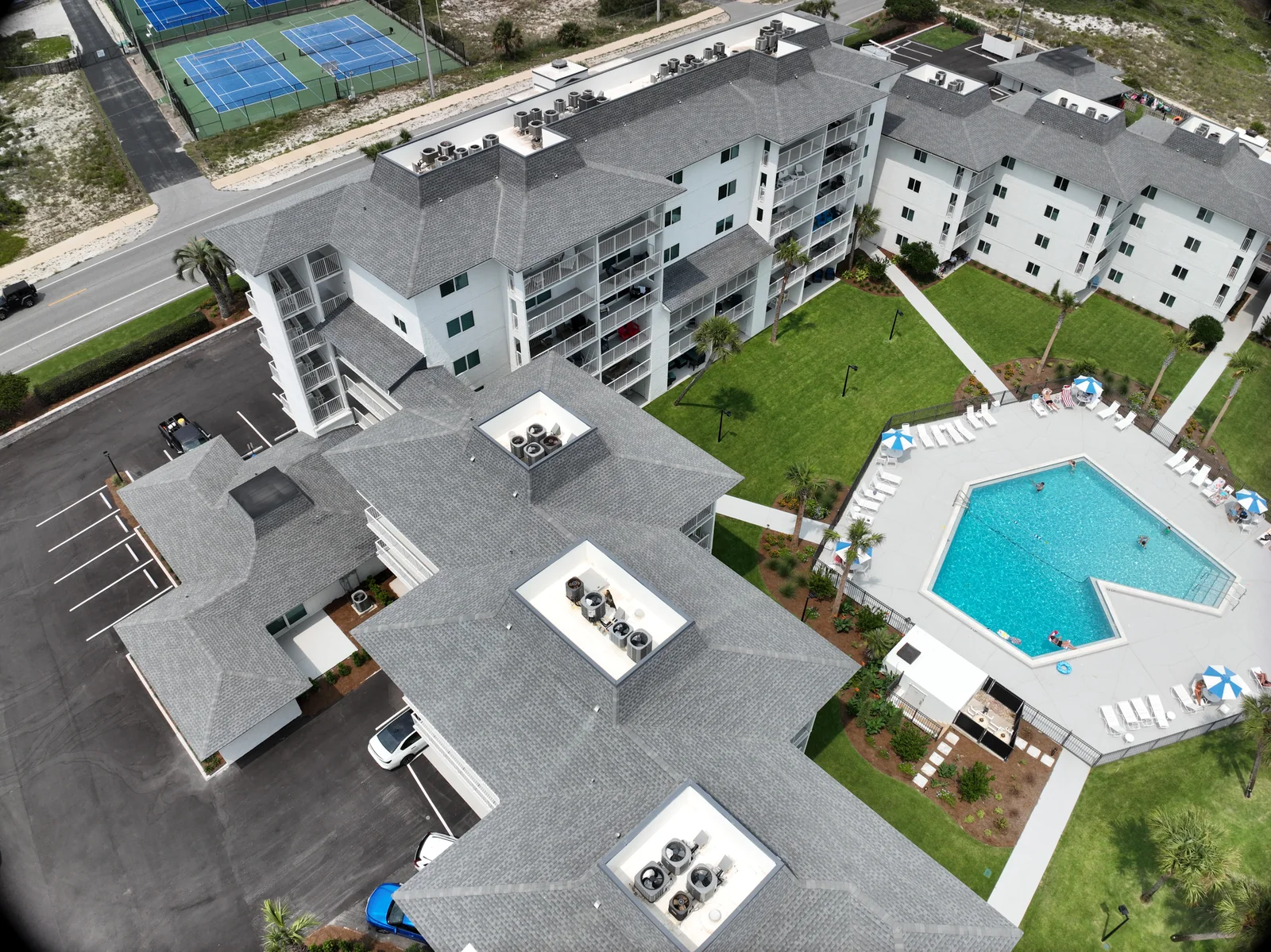
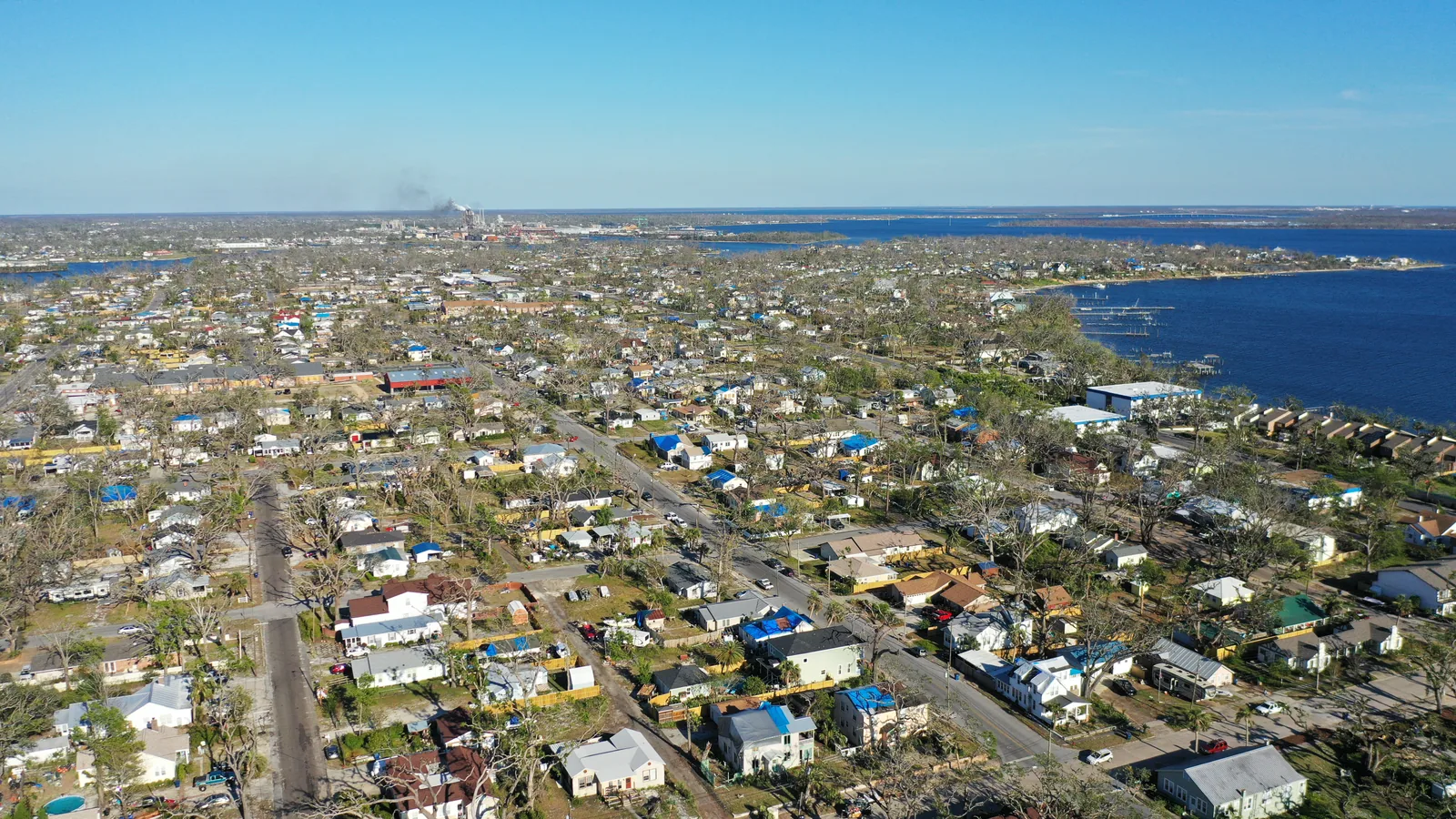
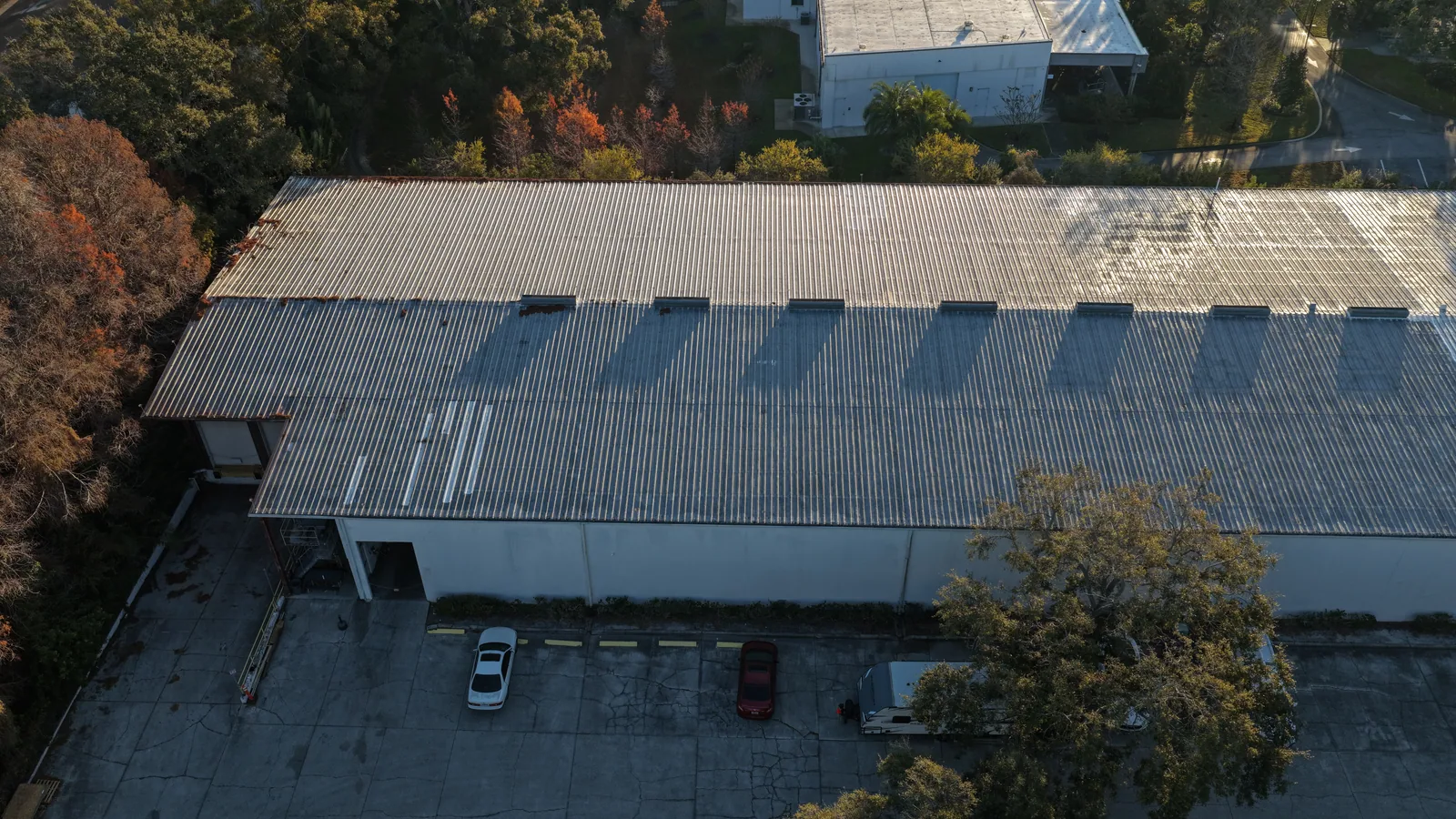
A useful roof record moves between three scales: the whole property, each roof area, and the details your reviewer needs to see.
Explore the visual story ↗ FLY MAXWELLAERIAL IMAGERY + THERMOGRAPHY
THE WORK / IN CONTEXT
Explore visual stories from our original archive. Each one connects the setting, the detail and the way a project can use the imagery.
Browse the full photo gallery ↗A useful roof record moves between three scales: the whole property, each roof area, and the details your reviewer needs to see.
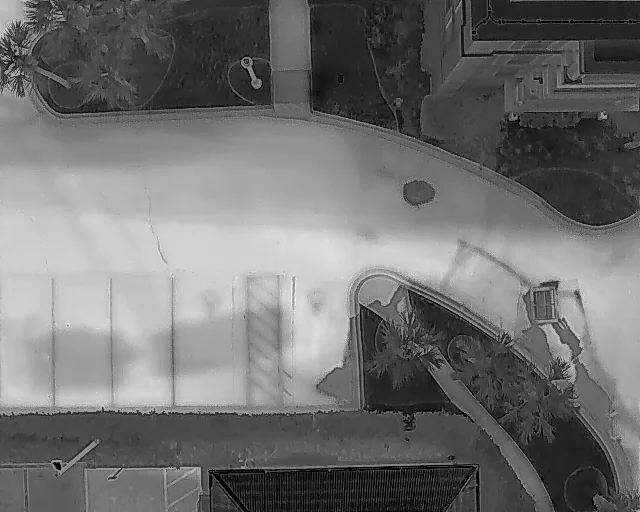
Explore the visual story ↗Thermal imagery becomes more useful when its surface patterns sit beside the visible-light view of the same roof area.
Explore the visual story ↗Aerial views help a team understand the relationship between a work area, the rest of the property and the changes visible between visits.
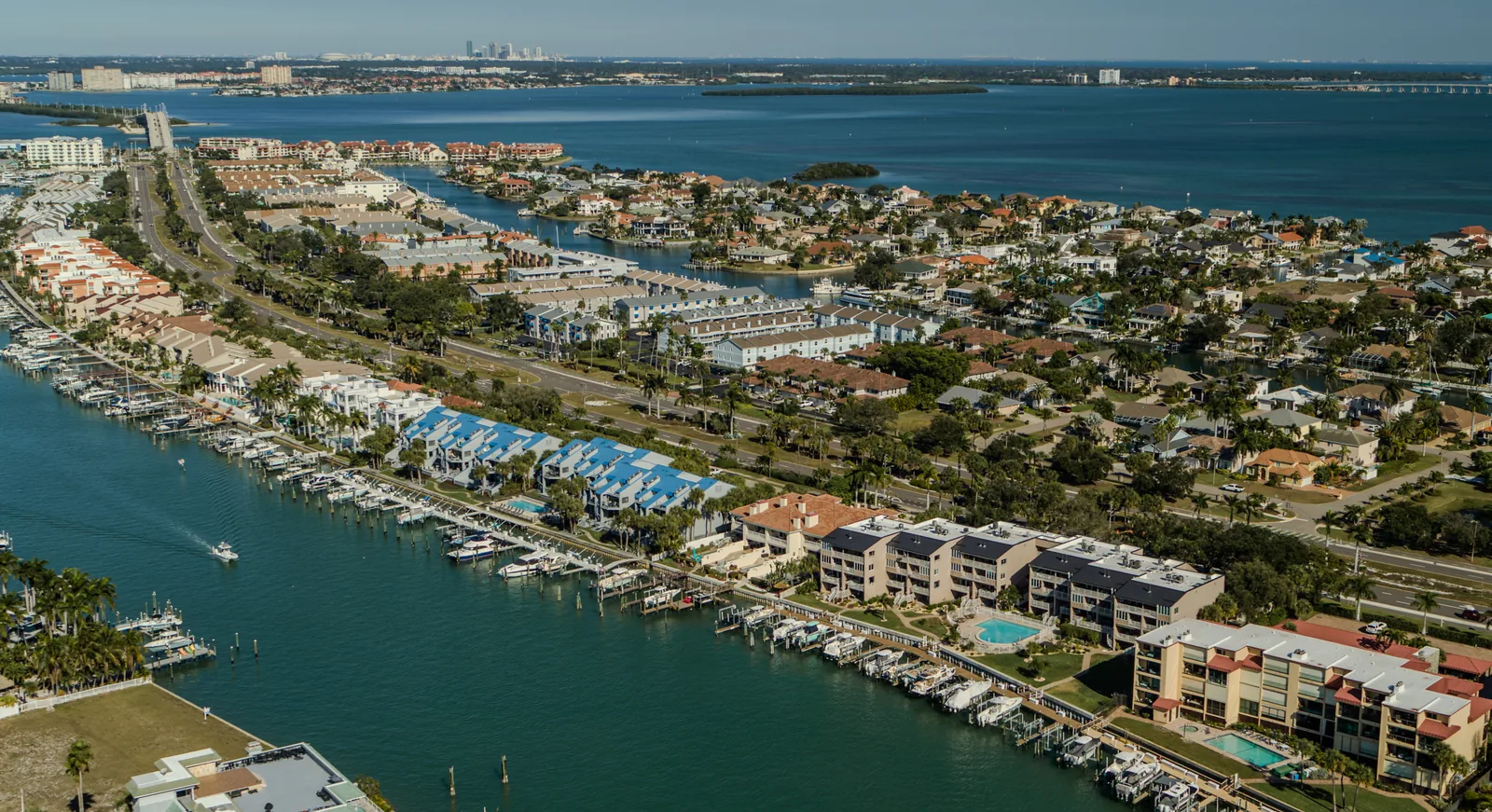
Explore the visual story ↗A building is more than its front elevation. Its setting, light, shoreline, access and neighboring features shape how people understand the place.
Explore the visual story ↗Aerial photography connects open ground, wooded areas, water and routes through a property in a way isolated ground-level photographs cannot.
Explore the visual story ↗PERSPECTIVE IN MOTION
ORIGINAL DRONE FOOTAGE · 12 SECONDS · NO AUDIO
A purposeful pullback connects a large building and roof with the roads and surrounding development.
Plan a film for your project ↗COMPLETED WORK / EXPLORE IN 3D
Go beyond a single photograph. Explore our completed visible-light and thermal-palette property reconstructions, with practical context on what each view can help your team understand.
Explore our real 3D captures ↗Original Fly Maxwell work. Interactive models open when you choose them.
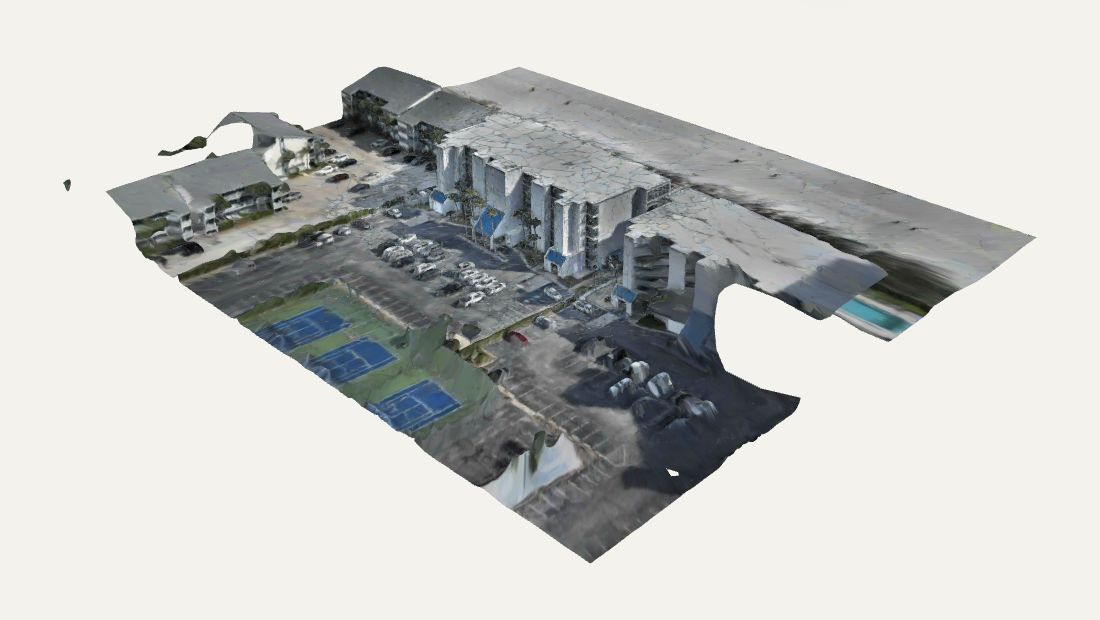 VISIBLE CAPTURE → CONNECTED SCENE ↗
CAPTURE → CONTEXT → A USEFUL RECORD
Bradley uses Liberty Shield Hub to connect property imagery, 3D viewing resources, thermal documentation and reviewed reports. See how that workflow helps the next conversation—and the next visit.
Follow the property-record workflow ↗Portal access, reports and recurring visits are agreed for your project.
Photographs, video and agreed specialist imagery
Property areas and available 3D viewing resources
Visible context, thermal documentation and observations
An approved record for the intended audience
Inspection history and a brief for the next visit
LOOK CLOSER / THE CRAFT BEHIND THE IMAGE
A wide establishing shot, a roof detail and an angled capture each help the viewer understand something different.
Before moving close, connect the subject with the rest of the property. A roof sits within a building; a building sits within roads, land and neighboring structures. An overview gives the detail a place to belong.
Top-down frames describe footprint and layout. Oblique frames reveal vertical surfaces and the relationship between edges. Combining them adds understanding; using them for reconstruction also needs a planned, overlapping capture sequence.
A measured pullback reveals scale. A lateral move changes the relationship between foreground and background. A short sequence should lead the eye through the place, with a beginning, a useful reveal and a clear finish.
FROM THE CAPTURE ARCHIVE
Follow real overhead and angled capture frames. Learn what each view contributes, and what needs to happen before a collection of images becomes a map or model.
Explore the capture sequence ↗