
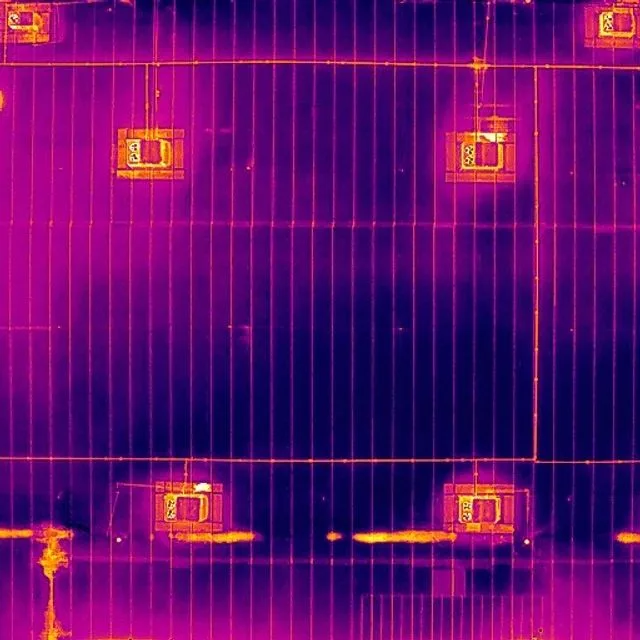
01 / Thermography
First, read what the assignment was designed to answer.
An organized thermal photo set, a qualitative screening report and a quantitative temperature study are different deliverables. Read the agreed objective, asset, coverage and method before interpreting the pictures. A targeted review of one roof area should not be read as clearance of the entire building.
The report should identify its intended audience and any limits on interpretation. Ask whether concealed conditions, inaccessible surfaces or areas without useful contrast were excluded. If a conclusion needs another profession or another test, the follow-up should be explicit rather than hidden in a general disclaimer.
Source: Infrared Training Center: Level I sUAS Thermography, ITC 107-RM [1.00], July 1, 2023 (private training reference)
02 / Thermography
Make every observation easy to locate.
Use a stable identifier that connects the observation, a visible overview, the thermal frame and any closer view. A roof plan or annotated site image can help the recipient navigate the record. Location, capture time and viewing direction make the evidence easier to revisit.
Check that the visible and thermal images refer to the same relevant area. Similar framing is useful, but the pairing still needs enough landmarks or annotation to establish context. A map marker should not imply survey accuracy that the project did not establish.
Source: Infrared Training Center: Level I sUAS Thermography, ITC 107-RM [1.00], July 1, 2023 (private training reference)
03 / Thermography
Read the legend before judging the colors.
Look for units, temperature scale and a clear explanation of any markers. A highlighted area may show only its relative position within the selected palette and scale. Automatic scaling can change the meaning of a color between frames. An exported image without its legend loses an important part of its meaning.
If numerical temperatures are reported, ask what measurement method and parameters support them. Focus, measurement range, emissivity, reflected apparent temperature, target size and relevant atmospheric inputs can affect the estimate. A qualitative report should describe patterns without presenting unsupported precise values.
Sources: Teledyne FLIR: Temperature measurement: focus, scale and parameters · Teledyne FLIR: How emissivity affects thermal imaging
04 / Thermography
Keep the conditions with the observation.
Useful context includes weather, recent heating or cooling, surface condition and the operating state of the asset where relevant. Record material changes, reflections and obstructions that might affect the view. These details help someone distinguish a repeatable concern from a temporary influence.
A future visit can use the same identifiers and views, while documenting how the conditions differ. Similar colors across dates do not prove stable conditions; different colors do not prove deterioration. Compare the method, scale, scene and operation before interpreting a change.
Sources: Infrared Training Center: Level I sUAS Thermography, ITC 107-RM [1.00], July 1, 2023 (private training reference) · Teledyne FLIR: Temperature measurement: focus, scale and parameters
05 / Thermography
An example: an observation that leads to a clear next step.
Fictional teaching example: Observation R-04 identifies a warmer area near a roof transition during the planned cooling window. The record includes a visible overview with the area marked, the thermal frame with its legend and the recorded surface and weather conditions. No numerical temperature conclusion is offered because this example is qualitative.
The interpretation lists possible influences, including the transition in construction and a potential moisture-related response. The recommended action is for the owner’s qualified roofing professional to inspect the identified area and select an appropriate confirmation method. The observation remains unconfirmed until that follow-up is documented. No repair quantity or price is inferred from the image.
- Observation: what appears, where and when.
- Context: material, conditions, scale and supporting view.
- Interpretation: possible explanations and confidence limits.
- Next step: who should confirm it and by what suitable method.
- Status: observed, awaiting confirmation or confirmed by a stated follow-up.
Source: Infrared Training Center: Level I sUAS Thermography, ITC 107-RM [1.00], July 1, 2023 (private training reference)
06 / Thermography
Give the record a life after the flight.
Agree which files will be delivered and how the recipient can use them. Original radiometric files may support later analysis in compatible software; a PDF or annotated image can make the record easier to discuss. Keep the original capture separate from presentation changes, and identify what each version is intended to support.
Fly Maxwell can scope organized imagery and a connected property record with visible views, thermal observations and available spatial context. Reviewed follow-up can then sit beside the original observation. That makes the record useful for planning and future comparison without silently converting every image into a confirmed finding.
Source: Infrared Training Center: Level I sUAS Thermography, ITC 107-RM [1.00], July 1, 2023 (private training reference)
VERIFY THE DETAILS / KEEP EXPLORING
Sources & further reading
Original explanation by Fly Maxwell. Technical and regulatory details are linked to the responsible organizations below. Product features, software plans and operating rules can change; check the current source when planning a project or a flight.
- Level I sUAS Thermography, ITC 107-RM [1.00], July 1, 2023Infrared Training Center · reviewed October 8, 2026
PDF pages 27–64 and 119–152. Owner-supplied course reference, reviewed privately. The copyrighted manual is not distributed on this website.
- Temperature measurement: focus, scale and parameters Teledyne FLIR · reviewed October 8, 2026
- How emissivity affects thermal imaging Teledyne FLIR · reviewed October 8, 2026
Manufacturer specifications describe the product under stated conditions. They are not a promise of project accuracy, flight duration, target detection or a particular outcome.