
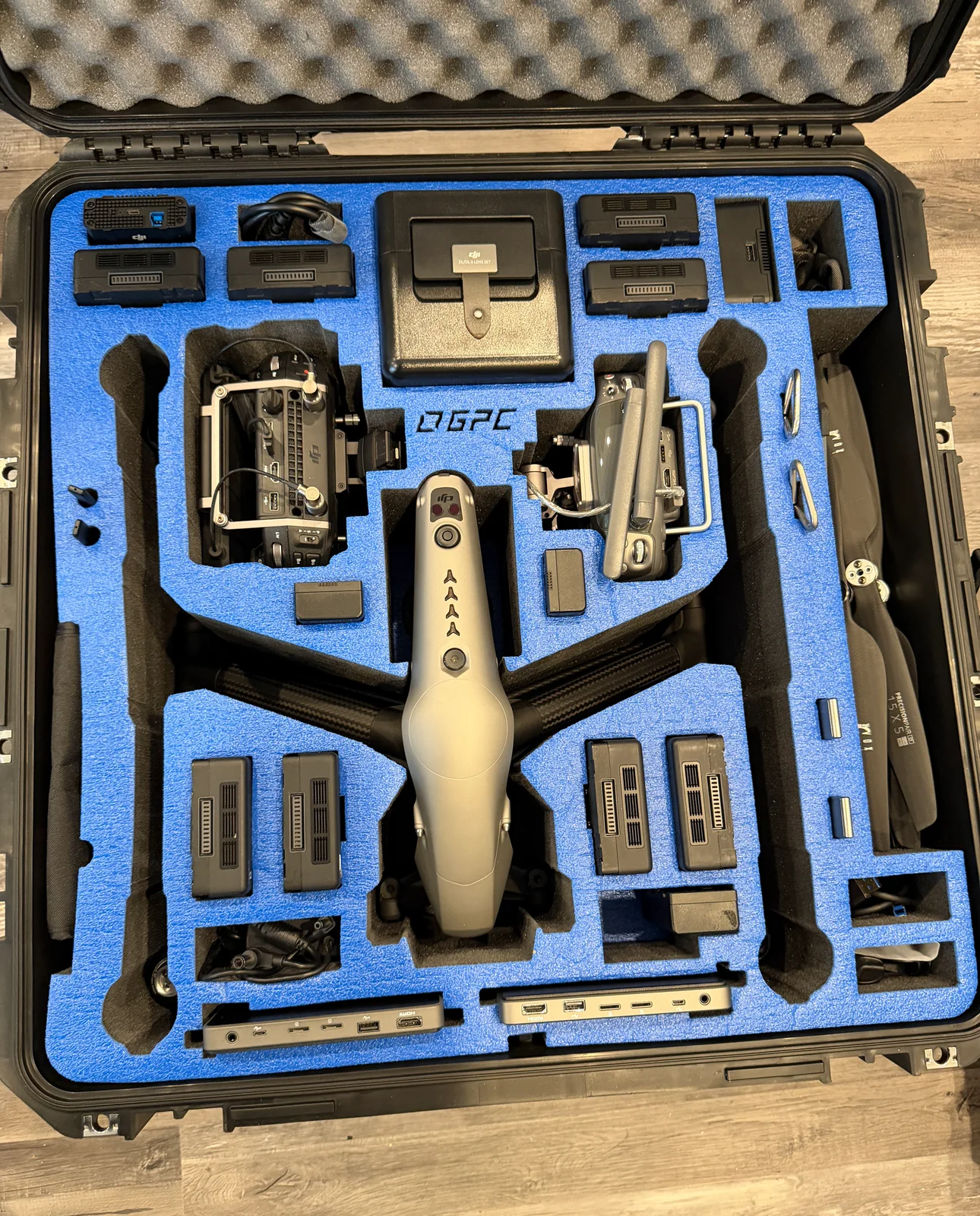
01 / Professional practice
A professional project starts with a question
Imagine two pilots photographing the same warehouse roof. One returns a folder of striking aerial views. The other organizes overview images by roof area, captures the client’s named concerns, labels the observations, and explains which locations were obscured. Both operated a camera. Only the second handoff is designed around the property manager’s next decision.
Before discussing flight time, define the job in ordinary language. Is the owner comparing conditions between visits, preparing a maintenance conversation, promoting a property, or locating something that needs closer examination? These purposes lead to different camera angles, schedules, file formats and review methods. A useful project brief describes the decision the customer wants to make after opening the files.
02 / Professional practice
Understand what certification establishes
The FAA’s Remote Pilot Certificate is the aviation credential for operating under Part 107. Its knowledge areas include airspace, weather, emergency procedures, aircraft performance and decision-making. Maintaining aeronautical knowledge recency includes recurrent training within the previous 24 calendar months. A certificate is an important foundation; it does not by itself demonstrate skill in thermography, cinematography, photogrammetric quality control or a client’s industry.
When choosing an operator, ask about the work that resembles your project. A film portfolio and an organized property record demonstrate different strengths. Ask how the pilot plans the mission, checks the captured material and communicates limitations. Insurance should be discussed in relation to the actual project, with documentation when needed, rather than treated as a substitute for operational judgment.
Source: Federal Aviation Administration: Become a Certificated Remote Pilot
03 / Professional practice
The best decision can be to change the flight
A professional pilot’s responsibilities continue when a customer wants a particular shot. Part 107 places the remote pilot in command in charge of the operation and responsible for its safety. That responsibility is a reason to redesign an attractive camera move, shorten a route or stop when the circumstances change.
For a client, the useful question is not whether the pilot will fly regardless of conditions. Ask what happens if a crane moves into the route, wind prevents stable detail capture or the property is busier than expected. A clear fallback could be another vantage point, a different time window, partial capture with documented gaps or a rescheduled visit. Agreeing on this before arrival protects the purpose of the project.
Source: Electronic Code of Federal Regulations: 14 CFR 107.19: Remote pilot in command
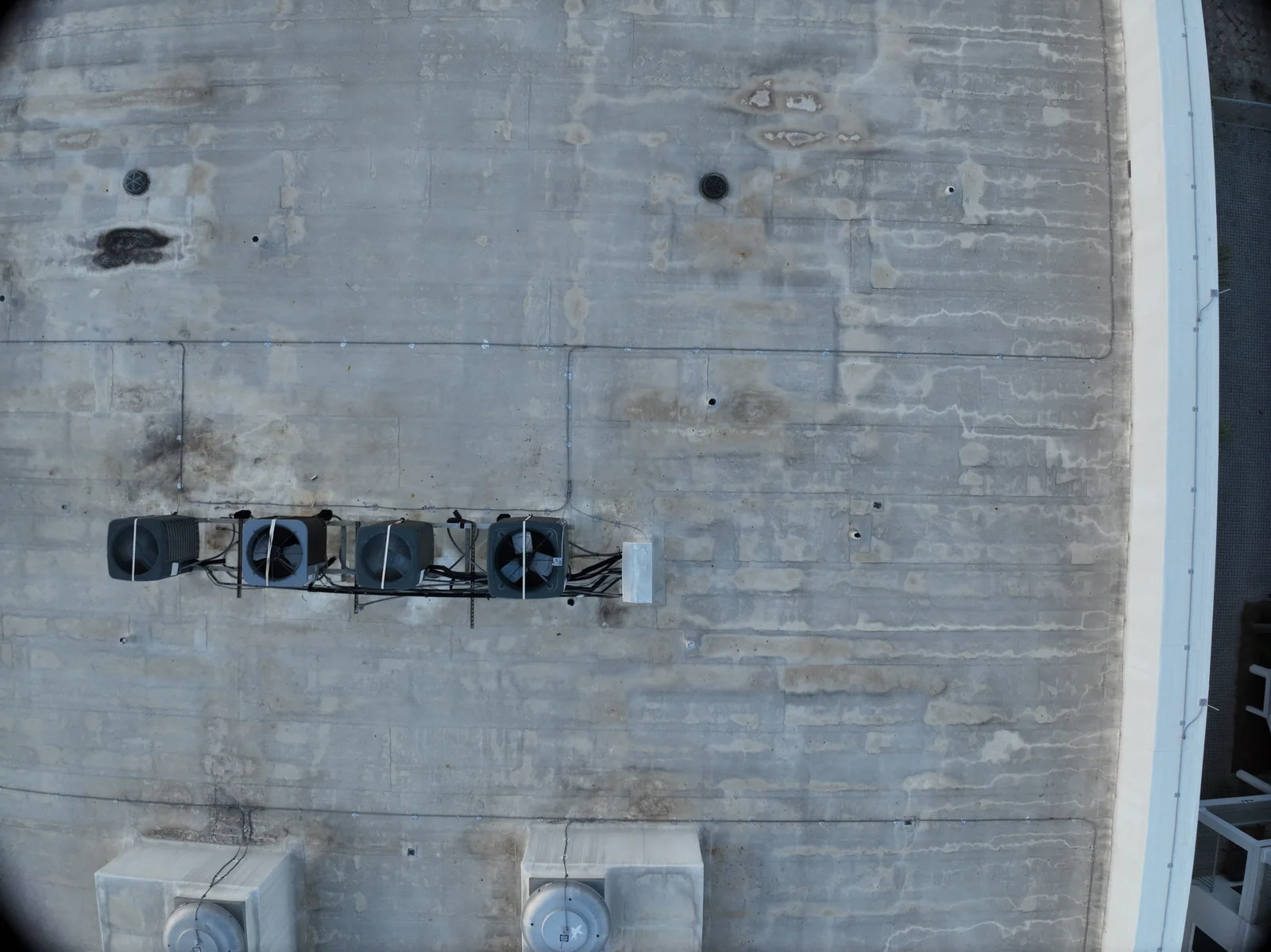
04 / Professional practice
Separate observation from conclusion
An image can show a discolored surface, an open seam, a temperature pattern or the location of stored material. Naming the reason behind it may require more information. Good reporting keeps the visible observation, the interpretation and the recommended follow-up distinct. This lets the owner send the record to the appropriate contractor or specialist without turning an uncertain indication into an established diagnosis.
A simple report can be highly professional. Give every issue an identifier, show a wide view for location and a closer view for context, describe what is actually visible, and state what prevented a more complete view. If a feature deserves ground verification, say so. The goal is a better-informed next step, not a dramatic caption.
05 / Professional practice
Judge the handoff as carefully as the flight
A client should not need to guess which building is shown or which files are approved for public use. A useful handoff includes the capture date, a project or location reference, understandable filenames and a clear separation between original material and edited presentation files. The expected audience matters: a maintenance team may want an image index; a marketing team may need a small set of polished, correctly sized selections.
Make the acceptance criteria visible. If the agreed scope includes six roof areas, verify that the delivery covers those areas and identifies any omissions. If the purpose is a recurring record, retain the view names so the next visit can be compared. The easiest result to reuse often becomes the most valuable result over time.
06 / Professional practice
Questions worth asking before you book
You do not need to become a drone expert to buy the work well. Ask the operator to explain the plan in language your team uses. A thoughtful answer should connect the flight to your objective, the intended deliverable and the conditions that could change the result. The conversation itself is a useful test of professional fit.
- What decision will these images or files help us make?
- What will be delivered, and who will be able to open it?
- Which conditions could require a change in scope or timing?
- How will observations, uncertainty and inaccessible areas be labeled?
- What project-relevant qualifications and insurance documentation can you provide?
VERIFY THE DETAILS / KEEP EXPLORING
Sources & further reading
Original explanation by Fly Maxwell. Technical and regulatory details are linked to the responsible organizations below. Product features, software plans and operating rules can change; check the current source when planning a project or a flight.
- Become a Certificated Remote Pilot Federal Aviation Administration · reviewed October 8, 2026
- 14 CFR 107.19: Remote pilot in command Electronic Code of Federal Regulations · reviewed October 8, 2026
Manufacturer specifications describe the product under stated conditions. They are not a promise of project accuracy, flight duration, target detection or a particular outcome.